


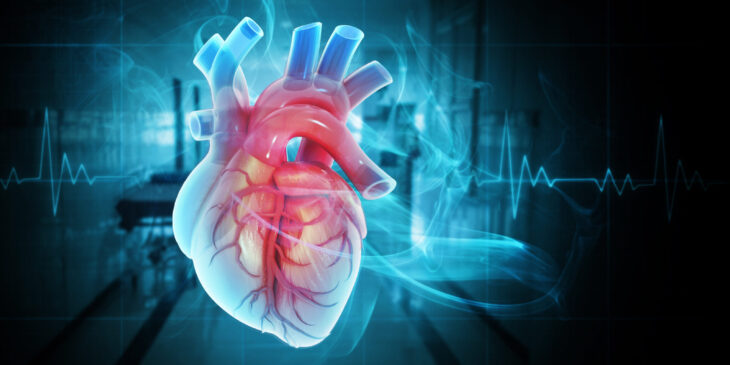
When it comes to diagnosing and treating heart disease, technology plays a crucial role. In recent years, advances in cardiac imaging have transformed how cardiologists detect, assess, and manage a wide range of cardiovascular conditions. These innovations are not just for doctors—they bring real benefits to patients, from earlier detection to less invasive procedures and faster recovery times. Here’s what you need to know.
What Is Cardiac Imaging?
Cardiac imaging refers to a group of non-invasive tests that allow physicians to visualize the heart’s structure, function, and blood flow. These tools help identify problems such as blockages in coronary arteries, valve issues, congenital defects, and signs of heart failure or arrhythmias.
Key Imaging Technologies in Use Today
1. Echocardiography (Echo)
This is one of the most commonly used imaging techniques. It uses ultrasound waves to produce live images of the heart. Echo can assess how well the heart is pumping, identify valve abnormalities, and evaluate fluid around the heart. Newer 3D echocardiography gives more detailed views, aiding in surgical planning and complex diagnoses.
2. Cardiac CT (Computed Tomography)
Cardiac CT scans offer highly detailed images of the coronary arteries and heart anatomy. A CT coronary angiogram (CTA) can detect blockages or plaque buildup without the need for a catheter-based procedure. New-generation scanners provide rapid imaging with lower radiation exposure.
3. Cardiac MRI (Magnetic Resonance Imaging)
Cardiac MRI is particularly effective for evaluating soft tissue, making it ideal for assessing heart muscle damage from a heart attack, inflammation, or congenital heart disease. Unlike CT, MRI does not use ionizing radiation, making it a safe option for repeated evaluations.
4. Nuclear Cardiology (SPECT and PET Scans)
These scans use small amounts of radioactive material to evaluate blood flow to the heart. PET scans, in particular, offer greater clarity and accuracy in detecting coronary artery disease. They are often used when traditional stress tests are inconclusive.
Why These Advances Matter for Patients
Early Detection: Modern imaging can spot problems before symptoms appear, allowing for early intervention.
Personalized Treatment Plans: Better images lead to more precise diagnoses, which means treatment can be customized to the individual’s needs.
Less Invasive Alternatives: Techniques like CTA and MRI reduce the need for invasive procedures like cardiac catheterization.
Improved Outcomes: By guiding treatment and monitoring progress, advanced imaging contributes to better long-term health outcomes.
What to Expect as a Patient
Most cardiac imaging tests are outpatient procedures that require minimal preparation. Some may involve contrast agents (dye), and others may require brief fasting or exercise beforehand. Your cardiologist will explain the specific purpose of the test, what it involves, and what the results could mean for your care plan.
Final Thoughts
At Cardiology Associates of Morristown, we are committed to providing cutting-edge diagnostic tools that empower patients and enhance care. If you or a loved one is concerned about heart health, understanding these cardiac imaging options can be a valuable step toward proactive and informed decision-making.
For more information or to schedule a consultation, contact our office—we’re here to help you take control of your heart health.
Sources:
- American Heart Association
- Mayo Clinic
- Cleveland Clinic
- Johns Hopkins Medicine
- National Heart, Lung, and Blood Institute











Leave A Comment