



Cardiac rehabilitation (CR) is a critical component of the recovery process for patients with heart disease. As one of the leading causes of morbidity and mortality in New Jersey, heart disease presents significant public health challenges. However, structured cardiac rehabilitation programs have proven to be highly effective in improving the prognosis and quality of life for individuals recovering from heart attacks, heart surgery, and other cardiovascular issues. This essay explores a comprehensive approach to cardiac rehabilitation practiced in New Jersey cardiology centers, discussing its benefits, components, and challenges.
Understanding Cardiac Rehabilitation
Cardiac rehabilitation is a medically supervised program designed to help individuals with heart disease recover, manage symptoms, and improve their overall health. The goal of CR is to restore the individual’s physical function, reduce the risk of future heart events, and enhance their quality of life. Rehabilitation typically begins after an acute cardiac event, such as a heart attack or bypass surgery, and continues through recovery. It involves a combination of supervised exercise, lifestyle education, psychological support, and regular medical monitoring.
Heart disease recovery is multifaceted. While medications and surgery can address immediate issues, ongoing lifestyle changes, exercise, and psychological support are essential for long-term recovery and prevention. Cardiac rehabilitation programs have shown to reduce mortality rates, improve cardiovascular fitness, and provide individuals with the tools they need to manage their health effectively.
Key Components of a Cardiac Rehabilitation Program
A successful cardiac rehabilitation program consists of several key components designed to address both the physical and emotional aspects of heart disease recovery:
Exercise Training
Exercise is a cornerstone of any cardiac rehabilitation program. Tailored exercise programs are designed to improve cardiovascular fitness, strength, and endurance. These programs typically include aerobic exercises, strength training, and flexibility exercises. Cardiologists and rehabilitation specialists customize the exercise routine to suit the patient’s condition, ensuring safety while maximizing the benefits to heart health.
Lifestyle Education
Education on healthy lifestyle choices is integral to the rehabilitation process. Patients learn about the importance of heart-healthy diets, weight management, smoking cessation, stress management, and reducing alcohol consumption. The goal is to equip patients with knowledge that will help them make sustainable changes to prevent the recurrence of heart disease.
Psychological Support
Heart disease recovery is not just physical—it is emotional as well. Psychological support in the form of counseling or support groups helps patients manage stress, anxiety, and depression, which are common after a heart attack or surgery. Mental health is a critical factor in recovery, as positive emotional well-being contributes to better physical outcomes.
Monitoring and Medical Supervision
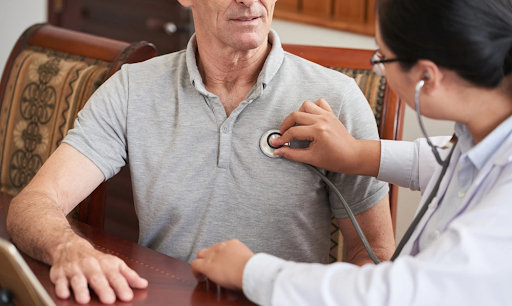
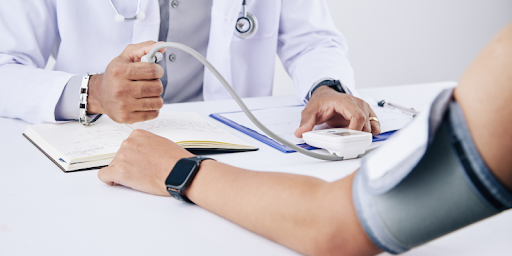
Throughout the rehabilitation process, patients are closely monitored by healthcare providers to ensure that exercise levels and other interventions are safe. Medical supervision also helps track progress, adjust treatment plans, and prevent complications, such as arrhythmias or excessive exertion.
Why Cardiac Rehabilitation is Critical for Heart Disease Patients
Cardiac rehabilitation is crucial for patients recovering from heart disease, as it offers a range of benefits:
Reducing the Risk of Recurrent Heart Events
One of the primary goals of CR is to reduce the likelihood of future heart attacks or strokes. Regular exercise, improved blood pressure control, and better cholesterol management help decrease the risk of recurrent heart events. Studies show that patients who participate in cardiac rehabilitation programs are less likely to experience future cardiovascular complications.
Improving Quality of Life:
A significant benefit of CR is its positive impact on the quality of life. Patients experience increased energy levels, reduced pain, better mobility, and improved mental health. The support provided during rehabilitation helps individuals return to their daily routines with more confidence and vitality.
Lowering Mortality Rates and Improving Long-Term Outcomes
Research consistently shows that individuals who participate in cardiac rehabilitation programs have lower mortality rates compared to those who do not. A comprehensive rehabilitation plan, including exercise and lifestyle changes, helps patients lead longer, healthier lives.
The Role of a New Jersey Cardiology Practice in Cardiac Rehabilitation
Cardiology practices in New Jersey play a central role in the implementation of cardiac rehabilitation programs. Cardiologists collaborate with exercise physiologists, nurses, dietitians, and psychologists to provide a multidisciplinary approach to rehabilitation. This collaboration ensures that each patient receives a holistic treatment plan tailored to their specific needs.
In New Jersey, cardiology practices are increasingly integrating cardiac rehabilitation into their care models, offering in-house rehabilitation services or working closely with local rehabilitation centers. By providing personalized rehabilitation programs, New Jersey cardiologists help patients recover from heart disease while addressing underlying risk factors, such as hypertension, diabetes, and obesity.
Cardiac Rehabilitation Programs in New Jersey
New Jersey is home to numerous healthcare facilities offering cardiac rehabilitation services. Major hospitals such as Hackensack University Medical Center, Rutgers Health, and Morristown Medical Center provide state-of-the-art CR programs designed to help patients recover and improve heart health. These centers offer a variety of programs, including outpatient rehabilitation, home-based rehabilitation options, and even virtual programs.
New Jersey has also introduced several public health initiatives aimed at increasing awareness of heart disease prevention and rehabilitation. Local cardiology centers and non-profit organizations offer educational workshops, free screenings, and support groups to engage the community in heart disease prevention efforts.
Barriers to Cardiac Rehabilitation
While cardiac rehabilitation is highly beneficial, several barriers prevent patients from participating. Common obstacles include financial constraints, lack of insurance coverage, transportation issues, and limited access to rehabilitation centers in rural areas. Additionally, some patients may lack the motivation or feel uncertain about the benefits of rehabilitation, leading to non-compliance.
To overcome these barriers, many New Jersey cardiology practices are adopting telemedicine and home-based rehabilitation programs. These options increase accessibility by allowing patients to participate in rehabilitation from home, reducing the need for travel and making the program more affordable.
Future of Cardiac Rehabilitation
The future of cardiac rehabilitation is promising, with continued advancements in medical technology, digital health tools, and personalized medicine. Innovations in telemedicine are expanding access to rehabilitation services, especially for patients in remote areas. Additionally, wearable devices that track heart rate, blood pressure, and physical activity are becoming an integral part of cardiac rehabilitation, allowing for real-time monitoring and more tailored treatment plans.
In the future, advancements in gene therapy and regenerative medicine may revolutionize rehabilitation by allowing for heart tissue repair, reducing the need for invasive procedures like heart transplants.
Conclusion
Cardiac rehabilitation is an essential part of heart disease recovery, offering patients the tools they need to regain control of their health and reduce the risk of future heart events. In New Jersey, cardiology practices are adopting comprehensive approaches to cardiac rehabilitation that incorporate exercise, lifestyle changes, and psychological support. Despite challenges such as access and financial barriers, New Jersey’s cardiology practices are evolving to provide innovative solutions that help more patients access vital rehabilitation services. By continuing to invest in these programs and embracing emerging technologies, New Jersey can lead the way in improving heart health outcomes for its residents.
Sources:
- American Heart Association. (2024). Cardiac Rehabilitation. https://www.heart.org/en/health-topics/cardiac-rehabilitation
- Mayo Clinic. (2024). Cardiac Rehabilitation. https://www.mayoclinic.org/tests-procedures/cardiac-rehabilitation/about/pac-20385088
- Hackensack Meridian Health. (2024). Cardiac Rehabilitation. https://www.hackensackmeridianhealth.org/en/Services/Heart-Health/Heart-Rehabilitation
- New Jersey Department of Health. (2024). Heart Disease and Cardiac Rehabilitation. https://www.nj.gov/health/
- American College of Cardiology. (2024). Cardiac Rehabilitation and Secondary Prevention. https://www.acc.org/latest-in-cardiology/articles








Insightful and inspiring overview of New Jersey’s cardiac rehabilitation approach, thoroughly highlights both clinical innovation and patient well-being. A highly informative read!