


Cholesterol can be a confusing subject. If you’ve ever received a cholesterol report from your doctor, you may have found the numbers overwhelming or unclear. You may even have wondered, “What do these numbers actually mean for my health?” Understanding cholesterol is essential for maintaining good heart health, and knowing what numbers to focus on can help you take control of your cardiovascular well-being.
At the heart of the conversation about cholesterol are three key values you’ll typically find in a lipid profile: total cholesterol, low-density lipoprotein (LDL) cholesterol, and high-density lipoprotein (HDL) cholesterol. There’s also another marker—triglycerides—that is often included in cholesterol testing, but let’s focus on the three primary components.
Total Cholesterol: A Broad Overview
Total cholesterol is the sum of all the different types of cholesterol in your blood. It includes both the “good” and the “bad” cholesterol, making it a broad overview rather than a definitive indicator of heart health. The total cholesterol number alone doesn’t tell the whole story of your cardiovascular risk.
-
- Ideal Level: Less than 200 mg/dL
- Borderline High: 200-239 mg/dL
- High: 240 mg/dL or higher
While total cholesterol is an important number to keep in mind, it doesn’t tell you whether the cholesterol in your bloodstream is harmful or helpful, which is why you need to dive deeper into the individual components.
LDL Cholesterol: The “Bad” Cholesterol
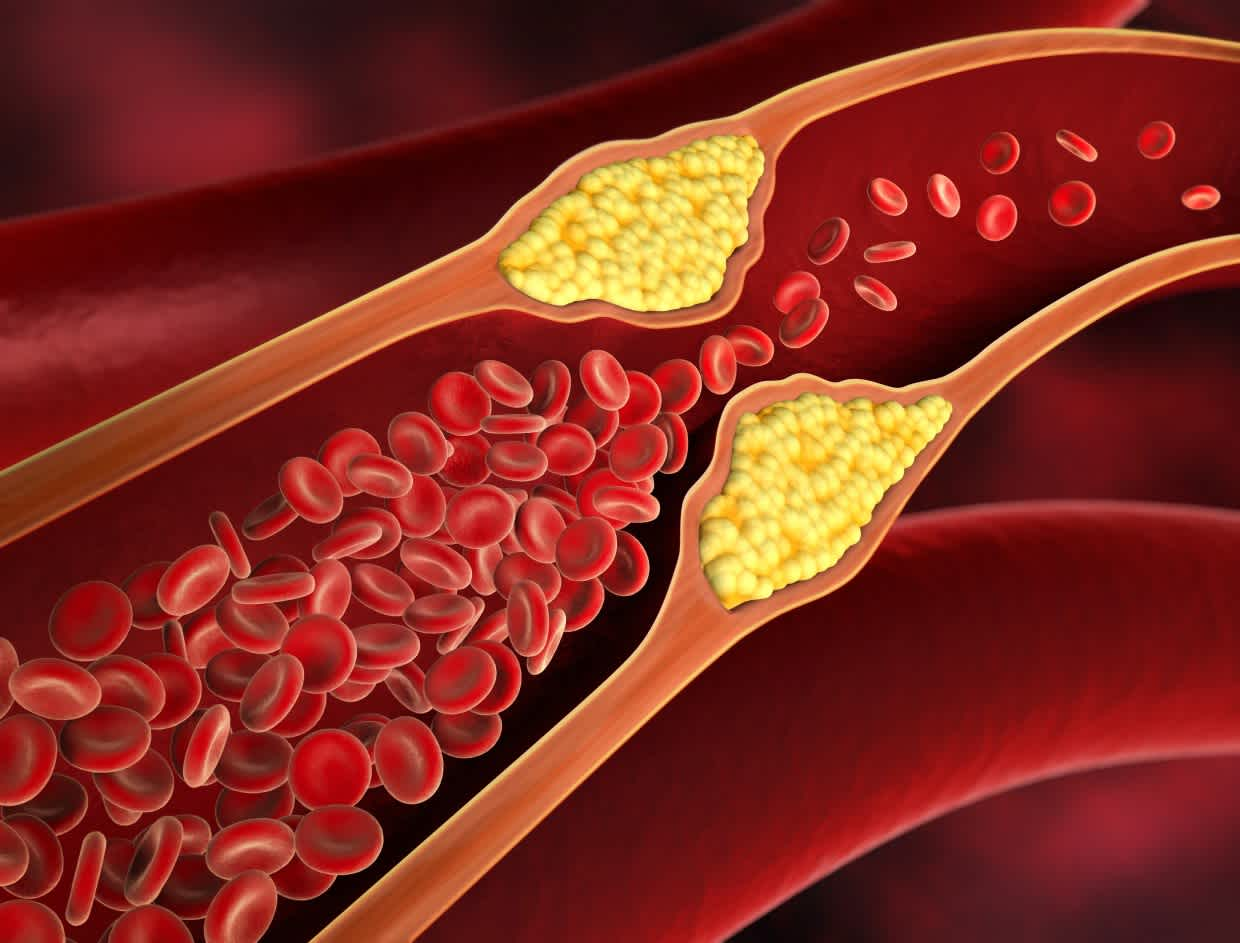
Low-density lipoprotein (LDL) is often referred to as “bad” cholesterol because it carries cholesterol from your liver to your arteries. When too much LDL cholesterol is in the bloodstream, it can build up in the walls of your arteries, leading to plaque formation—a process known as atherosclerosis. Over time, this can narrow and harden the arteries, increasing your risk of heart disease and stroke.
- Ideal Level: Less than 100 mg/dL
- Near Optimal: 100-129 mg/dL
- Borderline High: 130-159 mg/dL
- High: 160-189 mg/dL
- Very High: 190 mg/dL or higher
If your LDL levels are high, it’s critical to take action by improving your diet, increasing physical activity, or considering medication to reduce your risk of cardiovascular events.
HDL Cholesterol: The “Good” Cholesterol
In contrast to LDL, high-density lipoprotein (HDL) is known as “good” cholesterol. HDL helps remove excess cholesterol from the bloodstream and transport it back to the liver for excretion. Essentially, it works to counteract the harmful effects of LDL, reducing your risk of plaque buildup in the arteries. The higher your HDL levels, the better your heart health.
- Ideal Level: 60 mg/dL or higher
- Low: Less than 40 mg/dL for men, less than 50 mg/dL for women
Having high HDL cholesterol can help protect your heart by clearing out the “bad” cholesterol, so it’s essential to aim for a higher number in this category.
Triglycerides: Another Important Marker
Triglycerides are a type of fat found in your blood that are stored for energy. When you consume more calories than you burn, your body converts those extra calories into triglycerides, which can raise your levels in the bloodstream. High triglyceride levels, especially when combined with high LDL or low HDL cholesterol, can increase the risk of heart disease.
- Normal Level: Less than 150 mg/dL
- Borderline High: 150-199 mg/dL
- High: 200-499 mg/dL
- Very High: 500 mg/dL or higher
Reducing triglyceride levels typically involves lifestyle changes such as weight loss, improved diet, and regular physical activity.
What to Focus On: Understanding the Big Picture
While total cholesterol is helpful, it’s not the most important number. Rather, it’s the balance between LDL, HDL, and triglycerides that matters most. Ideally, you want low LDL, high HDL, and normal triglyceride levels to maintain a healthy heart.
If your LDL is high or your HDL is low, it’s time to take action. Start by adjusting your diet to include more fiber-rich foods, healthy fats (such as omega-3s), and less processed foods. Exercise, especially aerobic activities, can also help improve cholesterol levels.
In some cases, if lifestyle changes aren’t enough, your doctor may recommend medication to help control cholesterol levels. But before you reach for the prescription pad, focus on lifestyle changes, as these are often the most effective long-term strategy for improving heart health.
Conclusion: Take Control of Your Heart Health
Understanding cholesterol and what the numbers mean is crucial for managing your cardiovascular health. Pay attention to your LDL, HDL, and triglyceride levels—these are the numbers that really matter. By maintaining a healthy lifestyle and working with your healthcare provider to keep your cholesterol in check, you can significantly reduce your risk of heart disease and live a long, healthy life.




Leave A Comment