


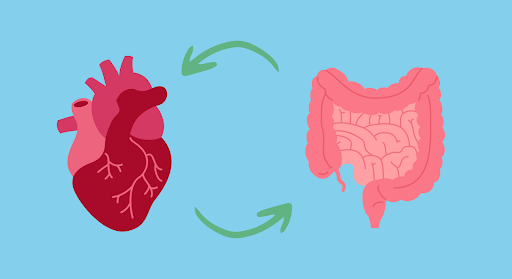
When most people think about heart health, they think about cholesterol, blood pressure, and exercise. The gut — home to trillions of bacteria — rarely makes the list. But research over the last decade has revealed something fascinating: the health of your gut microbiome can directly influence the health of your heart.
At our cardiology practice, we’ve started paying much closer attention to this gut–heart connection because it offers another powerful way to reduce cardiovascular risk — and it’s something patients can influence through daily choices.
What Is the Gut–Heart Axis?
The gut–heart axis refers to the ways in which your intestinal microbiome (the diverse community of bacteria, fungi, and other microbes in your gut) interacts with your cardiovascular system. These microbes don’t just digest food — they produce bioactive compounds, regulate inflammation, and influence metabolism.
When the microbiome is balanced, it can support heart health by reducing inflammation, improving blood sugar control, and even helping maintain healthy cholesterol levels. But when it’s imbalanced — a state called dysbiosis — it can produce harmful compounds that contribute to artery damage and increase cardiovascular risk.
One Key Culprit: TMAO
One of the most studied links between gut bacteria and heart disease involves a compound called trimethylamine N-oxide (TMAO). Certain gut bacteria produce TMAO when digesting foods rich in choline and L-carnitine (found in red meat, egg yolks, and some dairy products).
High TMAO levels in the blood have been linked to:
- Increased plaque build-up in the arteries
- Higher risk of heart attack and stroke
- Worsening kidney function (which can further harm the heart)
This doesn’t mean you must eliminate all these foods, but it does highlight the importance of a balanced microbiome to keep TMAO in check.
How to Support a Heart-Healthy Microbiome
The good news? Your gut microbiome is highly adaptable, and small daily changes can improve its diversity and function:
- Eat More Fibre – Aim for a variety of vegetables, fruits, legumes, and whole grains. Fibre feeds beneficial gut bacteria, which in turn produce short-chain fatty acids that protect heart health.
- Limit Ultra-Processed Foods – These tend to reduce microbial diversity and promote inflammation.
- Include Fermented Foods – Yogurt, kefir, sauerkraut, kimchi, and miso can introduce beneficial bacteria.
- Moderate Red Meat Intake – If you eat it, balance it with plenty of plant-based foods.
- Stay Physically Active – Exercise itself can increase the diversity of the microbiome.
Why This Matters for Heart Patients
We often see patients who are doing “all the right things” for their heart — taking medication, exercising, eating a generally healthy diet — yet their risk factors remain stubbornly high. In some cases, paying attention to gut health is the missing piece of the puzzle.
By improving your microbiome, you’re not just helping your digestion — you’re influencing inflammation, metabolism, and even the chemical signals that affect your arteries.
Your gut and your heart may be far apart in the body, but they are in constant biochemical conversation. Nurturing that relationship could be one of the most powerful — and overlooked — ways to protect your cardiovascular health.











Leave A Comment