



Introduction:
The integration of digital technology into healthcare, known as telemedicine, has revolutionized the delivery of medical services, including cardiology care. In New Jersey, telemedicine is increasingly playing a pivotal role in improving access to cardiology services and enhancing patient outcomes.
This essay explores the impact of telemedicine on cardiology in New Jersey, highlighting its benefits, technologies, challenges, and future implications.
Telemedicine: Revolutionizing Cardiology Care:
Telemedicine refers to the remote delivery of healthcare services through digital communication technologies. In cardiology, telemedicine encompasses a wide range of applications, including remote patient monitoring, virtual consultations, and telecardiology services.
Telemedicine enables cardiologists to assess, diagnose, and treat patients remotely, reducing the need for in-person visits and improving access to specialized care, particularly in rural and underserved areas of New Jersey.
Advantages of Telemedicine for Heart Health:
Telemedicine offers numerous advantages for heart health, including improved access to cardiology care, enhanced convenience for patients, and streamlined communication among healthcare providers.
Patients can receive timely consultations and monitoring without the need for travel, leading to better management of chronic heart conditions and reduced healthcare costs.
Additionally, telemedicine facilitates collaboration between cardiologists, primary care physicians, and other healthcare professionals, ensuring comprehensive and coordinated care for patients across New Jersey.
Telemedicine Technologies and Innovations:
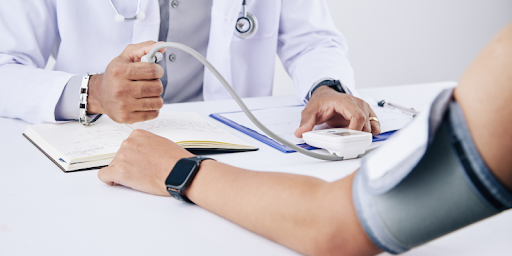
A variety of telemedicine technologies and innovations are driving the advancement of cardiology care in New Jersey. Remote monitoring devices allow patients to track vital signs, such as blood pressure and heart rate, from the comfort of their homes, providing valuable data for managing chronic heart conditions.
Telehealth platforms enable secure video consultations between patients and cardiologists, facilitating real-time assessments and treatment recommendations. Furthermore, artificial intelligence and machine learning algorithms are being utilized to analyze medical imaging, detect abnormalities, and support clinical decision-making in telecardiology practice.
Challenges and Limitations of Telemedicine:
Despite its numerous benefits, telemedicine faces several challenges and limitations that must be addressed to maximize its potential in cardiology care. Privacy and security concerns related to remote patient monitoring and electronic health records pose significant challenges, requiring robust data protection measures and regulatory oversight.
Additionally, disparities in access to technology and internet connectivity contribute to a digital divide, limiting the reach of telemedicine services, particularly among vulnerable populations in New Jersey. Moreover, regulatory and reimbursement barriers present obstacles to widespread telehealth adoption, highlighting the need for policy reforms to support telemedicine initiatives.
Telemedicine and the Future of Cardiology Care:
Telemedicine holds tremendous promise for shaping the future of cardiology care in New Jersey and beyond. As technology continues to evolve, telemedicine will play an increasingly integral role in delivering personalized, patient-centered care to individuals with heart conditions. Integrating telehealth into comprehensive cardiology care models will enable more efficient and effective management of cardiovascular diseases, leading to improved patient outcomes and population health.
Continued investment in research and innovation will drive advancements in telecardiology, paving the way for a digital-enabled healthcare ecosystem that prioritizes heart health for all residents of New Jersey.
Conclusion:
Telemedicine has emerged as a transformative force in cardiology care, offering new opportunities to improve access, efficiency, and quality of services for patients across New Jersey.
By embracing telemedicine technologies and addressing associated challenges, we can harness the full potential of digital innovation to advance heart health and enhance cardiovascular care delivery in the state.
Through collaboration, innovation, and commitment to patient-centered care, telemedicine will continue to drive positive change and shape the future of cardiology in New Jersey.
Sources:
- American College of Cardiology. (2024). Telemedicine in Cardiology. https://www.acc.org/tools-and-practice-support/practice-solutions/telehealth/telemedicine-in-cardiology
- American Heart Association. (2024). Telemedicine: How Technology Can Improve Your Heart Health. https://www.heart.org/en/health-topics/telemedicine/telemedicine-how-technology-can-improve-your-heart-health
- Centers for Disease Control and Prevention. (2024). Telehealth and Telemedicine.
- New Jersey Department of Health. (2024). Telemedicine Services.
- Telemedicine Journal and e-Health. (2024). Special Issue: Telemedicine in Cardiology. https://www.liebertpub.com/toc/tmj/30/2









Leave A Comment