


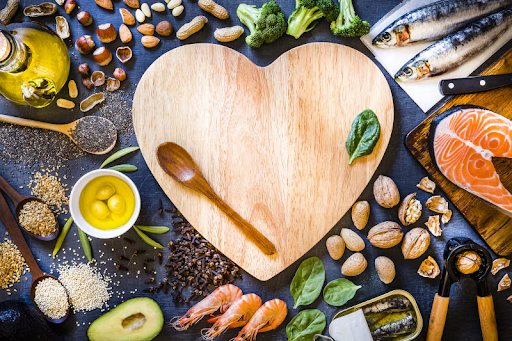
Not all fats are created equal. While fats are often associated with weight gain and heart disease, the truth is that certain types of fats are essential for a healthy heart. These “heart healthy fats”, such as unsaturated fats, play a crucial role in reducing cholesterol levels, managing inflammation, and improving overall cardiovascular function. The key is knowing which fats to embrace and which to limit.
In this post, we’ll explore the different types of fats, how they impact heart health, and which oils and foods are the best choices for protecting your heart.
Understanding the Different Types of Fats
Before diving into the best heart-healthy fats, it’s important to understand the three main types of dietary fats:
Unsaturated Fats
These are the “good” fats that are beneficial for heart health. They are typically found in plant-based oils, nuts, seeds, and fish. Unsaturated fats come in two types:
Monounsaturated fats: Found in olive oil, avocados, and nuts. They help reduce LDL (“bad”) cholesterol while maintaining HDL (“good”) cholesterol levels.
Polyunsaturated fats: Found in fatty fish (like salmon and mackerel), flaxseeds, and walnuts. These fats include omega-3 and omega-6 fatty acids, which are essential for heart health, as they reduce inflammation and support healthy blood vessels.
Saturated Fats
Saturated fats are primarily found in animal products, such as red meat, butter, and full-fat dairy products. In excess, they can raise LDL cholesterol levels and contribute to the buildup of plaque in the arteries, increasing the risk of heart disease.
Trans Fats
These are the worst fats for heart health, often found in processed and fried foods. Trans fats increase LDL cholesterol while lowering HDL cholesterol, a combination that significantly raises the risk of heart disease. They should be avoided as much as possible.
The Best Heart-Healthy Oils
Olive Oil
Extra virgin olive oil is widely regarded as one of the best oils for heart health. Rich in monounsaturated fats and antioxidants, olive oil has been shown to reduce inflammation, lower LDL cholesterol, and improve blood vessel function. Studies show that people who follow a Mediterranean diet, which is high in olive oil, have a lower risk of heart disease.
Avocado Oil
Like olive oil, avocado oil is high in monounsaturated fats and has similar heart-healthy benefits. It is also a great source of vitamin E, an antioxidant that helps protect the heart. Avocado oil is versatile for cooking and can be used for sautéing, grilling, and salad dressings.
Flaxseed Oil
Flaxseed oil is rich in omega-3 fatty acids, specifically alpha-linolenic acid (ALA), which is known for its anti-inflammatory properties. Omega-3s are essential for maintaining healthy cholesterol levels and preventing the buildup of plaque in the arteries. Flaxseed oil is best used in cold dishes, like smoothies or salad dressings, since it can degrade when heated.
Walnut Oil
Another oil high in omega-3s, walnut oil helps reduce inflammation and improve overall heart function. Like flaxseed oil, it is better suited for cold dishes, such as drizzling over salads or adding to dips.
Heart-Healthy Foods Rich in Good Fats
In addition to oils, certain foods are excellent sources of heart-healthy fats:
Fatty Fish
Salmon, mackerel, sardines, and tuna are rich in omega-3 fatty acids, which are vital for heart health. Omega-3s help reduce the risk of arrhythmias (irregular heartbeats), lower triglyceride levels, and slow the progression of plaque buildup in the arteries. Aim to include fatty fish in your diet at least twice a week.
Nuts and Seeds
Almonds, walnuts, chia seeds, and flaxseeds are great sources of unsaturated fats and fiber. Regular consumption of nuts and seeds has been linked to lower LDL cholesterol and a reduced risk of heart disease. A handful of nuts or a tablespoon of seeds can easily be added to meals or enjoyed as a snack.
Avocados
Avocados are packed with monounsaturated fats, fiber, and potassium—all nutrients that support heart health. Eating avocados can help reduce cholesterol levels and lower blood pressure. They’re a versatile ingredient, perfect for spreading on toast, adding to salads, or blending into smoothies.
Conclusion
Choosing the right fats is essential for maintaining heart health. While it’s important to limit saturated and trans fats, incorporating heart-healthy fats, such as those found in olive oil, fatty fish, and nuts, can have a positive impact on your cardiovascular system. By making mindful choices about the oils and foods in your diet, you can protect your heart and reduce your risk of heart disease.











Helpful article! Algae cooking oil is another heart-healthy option with great heat stability and clean nutrition.