


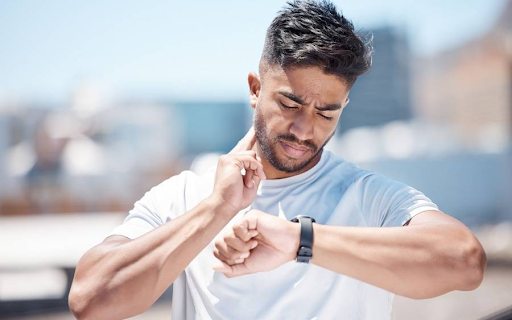
Wearable technology has moved far beyond counting steps. Today, devices like smartwatches and fitness trackers can provide meaningful insights into your cardiovascular health — and in some cases, even save lives.
Detecting Irregular Heart Rhythms with Wearable Tech
Many wearables can now detect atrial fibrillation (AFib), a common irregular rhythm that increases the risk of stroke. Early detection allows doctors to intervene before serious complications occur.
Monitoring Heart Rate and Activity
Continuous heart rate monitoring helps track fitness levels, recovery, and stress. Some devices can flag abnormally high or low rates that might require medical attention.
Blood Oxygen and Blood Pressure Trends
The newest devices are starting to offer blood oxygen saturation and cuffless blood pressure estimates, giving patients more data to share with their healthcare team.
Wearable Devices Connecting Patients and Doctors
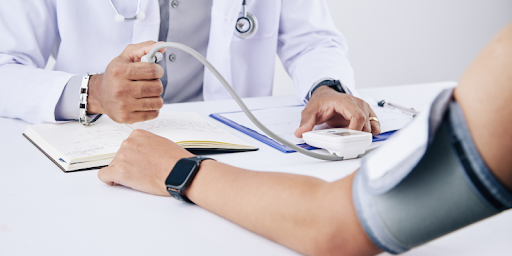
Many devices can sync with apps that share data directly with physicians. This means your cardiologist can monitor your health trends between appointments.
Benefits for Patients
Wearables empower patients to play an active role in their health. While they are not a replacement for medical care, they are powerful tools for prevention and early detection.
Trusted Sources:
- American Heart Association – www.heart.org
- British Heart Foundation – www.bhf.org.uk
- Mayo Clinic – www.mayoclinic.org









Leave A Comment