


Cardiac care is undergoing a revolution, and patients in New Jersey have access to some of the most advanced heart health technologies in the country. As heart disease remains a leading cause of death in the state, it’s essential for residents to stay informed about the latest innovations in cardiac care. From minimally invasive procedures to groundbreaking developments in personalized medicine, these innovations are improving outcomes and quality of life for patients. This essay will explore the most significant advancements in cardiac care that New Jersey patients should know, highlighting the potential for better diagnosis, treatment, and long-term heart health management.
Current Trends in Cardiac Care:
In the world of cardiac care, technological advancements have made a significant impact on both the diagnosis and treatment of heart disease. One of the most notable trends is the growing use of minimally invasive procedures. These techniques, such as catheter-based interventions, allow cardiologists to treat heart conditions with smaller incisions and shorter recovery times, reducing the risk of complications. For patients in New Jersey, this means quicker access to treatment and a faster return to daily life.
Another key trend is the advancement of diagnostic tools. Echocardiograms, CT scans, and MRI scans have all evolved, allowing for more accurate and detailed images of the heart. Additionally, the advent of AI-assisted diagnostics is enabling faster and more accurate assessments of cardiovascular health. These innovations are especially crucial in New Jersey, where a high population density and urban environments increase the risk of cardiovascular disease.
Furthermore, the shift towards personalized medicine is another important development. By using genetic information and lifestyle data, doctors can now tailor treatments to the individual, ensuring better outcomes and fewer side effects. This approach marks a departure from the one-size-fits-all mentality of traditional medicine, allowing for more effective and efficient heart disease management.
Technological Innovations in Cardiac Devices:
Cardiac devices have seen remarkable innovations in recent years, providing life-saving treatments to patients with heart conditions. Implantable devices, such as pacemakers and defibrillators, have become more advanced, offering greater functionality and longevity. Modern pacemakers can now be monitored remotely, allowing doctors to adjust settings and monitor the patient’s condition without requiring frequent in-person visits. This development is particularly valuable for New Jersey patients, as it reduces the need for hospital visits and allows for more consistent care.
Stent technology has also improved significantly, with newer, drug-coated stents that reduce the risk of re-narrowing arteries and improving long-term outcomes for patients with coronary artery disease. These innovations are vital in treating heart disease, as they provide an effective means of opening blocked arteries and improving blood flow to the heart.
Additionally, wearable cardiac monitoring devices have emerged as game-changers. These devices allow patients to track their heart rate, rhythm, and overall cardiovascular health in real-time. In New Jersey, where lifestyle factors such as stress and diet contribute to heart disease, wearable devices empower individuals to take charge of their heart health, alerting them to irregularities that may require immediate attention.
For further information on cardiac monitoring devices, you can visit our cardiology services page.
The Role of Telemedicine in Cardiac Care:
Telemedicine has become an increasingly important tool in providing care for heart disease patients, especially in the wake of the COVID-19 pandemic. Through telemedicine platforms, patients can consult with their cardiologists remotely, saving time and reducing the risk of exposure to illnesses in healthcare settings. This technology is especially useful for managing chronic heart conditions and providing follow-up care after procedures.
In New Jersey, many cardiology practices have integrated telemedicine into their workflow, offering virtual consultations, monitoring, and even rehabilitation sessions. Patients can now discuss symptoms, adjust medication, and receive guidance on lifestyle changes without leaving their homes. The convenience and accessibility of telemedicine have been vital in improving heart health outcomes, especially for patients who live in rural areas or have mobility issues.
The future of telemedicine in cardiac care is promising, with the potential for remote monitoring of more advanced devices and AI-powered health apps that can provide instant feedback on heart health. These advancements are helping bridge the gap between patients and their healthcare providers, making heart care more accessible and effective.
For more about telemedicine in heart disease management, read our conditions we treat page.
Personalized Medicine and Genetic Research in Cardiology:
One of the most exciting developments in cardiology is the application of personalized medicine. By analyzing an individual’s genetic makeup, doctors can create a tailored treatment plan that is more likely to be effective. Genetic testing has become an essential part of managing conditions such as hypertension, coronary artery disease, and arrhythmias.
For instance, certain genetic markers can predict a patient’s response to specific medications or their likelihood of developing heart disease. With this information, New Jersey cardiologists can recommend the most appropriate treatments and interventions, potentially preventing heart disease before it even develops.
Additionally, genetic research continues to advance, offering new insights into the mechanisms behind cardiovascular diseases. This research is crucial in developing new treatments and therapies that are customized to each patient’s unique needs. As genetic research continues to evolve, the future of heart disease treatment in New Jersey looks increasingly promising, with more precise and targeted therapies on the horizon.
Innovative Cardiac Rehabilitation Techniques:
Cardiac rehabilitation is a critical component of heart disease recovery, and new innovations in rehab programs are improving patient outcomes. In New Jersey, rehabilitation programs are increasingly incorporating virtual and remote rehabilitation options. These programs allow patients to follow their rehabilitation plan from the comfort of their homes, with guidance from their healthcare providers through virtual consultations and activity tracking.
Moreover, New Jersey cardiology practices are utilizing AI-powered tools to customize rehabilitation programs for each patient. These programs track progress, adapt to the patient’s needs, and provide real-time feedback to ensure that patients are on track with their recovery goals.
In addition to virtual rehab, exercise and nutrition counseling are integral parts of the rehabilitation process, helping patients regain strength, manage weight, and reduce the risk of future heart problems. With these innovations, patients in New Jersey can recover more effectively, reducing the likelihood of future cardiovascular events.
Innovations in Preventive Cardiology:
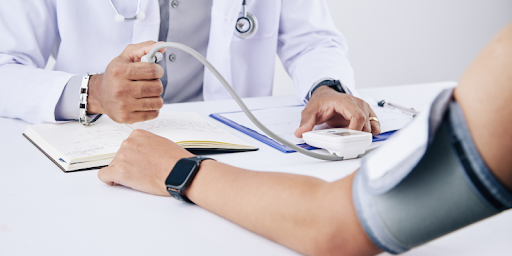
Prevention is always better than treatment, and the latest innovations in preventive cardiology are giving New Jersey residents better tools to monitor their heart health and reduce the risk of developing heart disease. Early detection technologies, such as wearable ECG monitors and home blood pressure monitors, allow individuals to track their heart health in real-time and alert their healthcare providers to any concerning changes.
Advanced risk assessment tools have also been developed, enabling cardiologists to predict a patient’s likelihood of developing heart disease based on genetic, lifestyle, and environmental factors. This personalized approach to prevention allows for early intervention and lifestyle adjustments, which can significantly reduce the risk of heart disease.
Furthermore, lifestyle interventions, including personalized diet plans and physical activity recommendations, are now being incorporated into prevention programs. New Jersey cardiology practices are leading the way in offering these comprehensive prevention strategies, empowering residents to take proactive steps toward heart health.
Impact of Artificial Intelligence in Cardiac Care:
Artificial intelligence (AI) is making a profound impact on cardiac care by improving diagnostics, treatment planning, and patient outcomes. AI-powered algorithms are now being used to analyze large datasets, including medical images and genetic information, to identify patterns and predict future heart events. These tools allow New Jersey cardiologists to make more informed decisions about diagnosis and treatment.
In addition to diagnostics, machine learning is being used to develop personalized treatment plans for heart disease patients. By analyzing patient data, AI can suggest the most effective therapies, predict potential complications, and optimize medication regimens. These advancements are helping New Jersey residents receive more accurate and personalized cardiac care, ensuring better long-term outcomes.
The Future of Cardiac Care in New Jersey:
The future of cardiac care in New Jersey is filled with exciting possibilities. Ongoing research into the genetics of heart disease, advancements in telemedicine, and the integration of AI into clinical practice are all contributing to a new era of heart health. As technology continues to evolve, patients will have access to more personalized, efficient, and effective treatments than ever before.
New Jersey cardiology practices are at the forefront of these advancements, continually integrating the latest technologies and treatment options into their care models. By staying informed about these innovations, patients in New Jersey can take advantage of the best possible care, improving their heart health and quality of life.
Conclusion:
Innovations in cardiac care are transforming the way heart disease is diagnosed, treated, and prevented. New Jersey residents are benefiting from cutting-edge technologies, personalized treatments, and improved access to care. As these innovations continue to evolve, patients can expect even more advanced and effective heart health solutions. It is essential for New Jersey residents to stay informed about these advancements and take proactive steps toward managing their heart health.
Sources:
- American College of Cardiology. (2024). Innovations in Cardiac Care. https://www.acc.org/latest-in-cardiology/articles
- Mayo Clinic. (2024). Advancements in Cardiac Devices. https://www.mayoclinic.org
- Hackensack Meridian Health. (2024). Cardiac Innovations and Care. https://www.hackensackmeridianhealth.org









Leave A Comment