


You may know your LDL cholesterol, but there’s another number on the cholesterol spectrum that many people have never had checked: lipoprotein(a), often written as Lp(a) and pronounced “L-P-little-a.” It’s inherited, it’s common, and it can raise your risk of heart attack, stroke and valve disease even when your other numbers look fine.
What Is Lp(a)?
Lp(a) is a particle in the blood that carries cholesterol, similar to LDL, but with an extra protein attached. That extra piece appears to make it more likely to contribute to plaque buildup, inflammation and blood clotting. High Lp(a) is also linked to narrowing of the aortic valve, known as aortic stenosis.
Your Lp(a) level is determined mostly by your genes. Unlike LDL, it doesn’t change much with diet or exercise, and it stays fairly stable throughout life. It’s estimated that roughly one in five people has an elevated level.
Who Should Consider Testing?
The 2026 ACC/AHA guideline on managing cholesterol and other blood lipids now recommends that every adult have Lp(a) measured at least once. A standard cholesterol panel does not include it, so you usually need to ask. Testing is especially important if you have:
- A personal history of heart attack, stroke or coronary artery disease, particularly at a younger age
- A family history of early heart disease, especially without obvious risk factors
- A parent or sibling with high Lp(a)
- Heart disease that keeps progressing despite good control of cholesterol and blood pressure
- Aortic stenosis
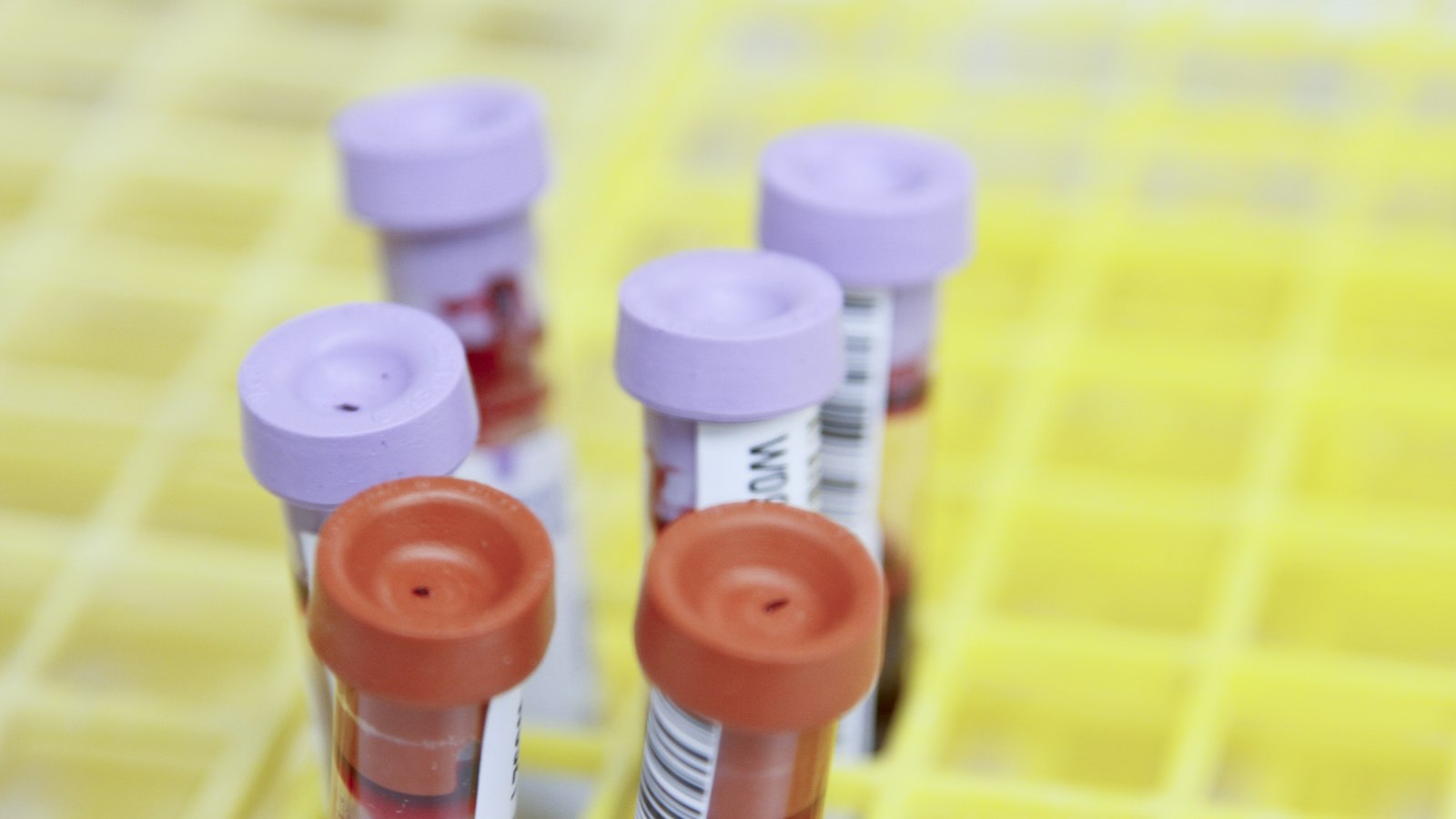
The test is a simple blood draw, and because levels are largely genetic, most people only need it done once.
What If Your Lp(a) Is High?
There isn’t yet a medication approved specifically to lower Lp(a). The first large outcome trial of an Lp(a)-lowering drug, reported in 2026, lowered Lp(a) levels but did not reduce heart attacks or strokes, and several other drugs are still being studied in major clinical trials. In the meantime, a high result is still very useful information. It tells you and your doctor that your risk may be higher than your other numbers suggest, which can change how aggressively other risk factors are treated. That might mean:
- Setting a lower target for LDL cholesterol
- Paying closer attention to blood pressure, blood sugar and weight
- Prioritizing not smoking and staying active
- Considering other medications to reduce overall risk, based on your situation
- Encouraging close family members to get tested too
Frequently Asked Questions
Is Lp(a) included in a regular cholesterol test?
No. A standard lipid panel does not measure Lp(a). You need to ask for it specifically.
Can diet or exercise lower Lp(a)?
Not much. Lp(a) is mostly determined by your genes. Healthy habits still matter because they lower your overall risk.
Related Reading
A Number Worth Knowing
Lp(a) is a good example of how preventive cardiology keeps evolving. Preventive cardiology and lipoprotein disorders are areas of focus for our practice, and our physicians can help you decide whether testing makes sense and what to do with the result. Learn more about cholesterol care or call (973) 889-9001 to schedule.
Cardiology Associates of Morristown is located at 60 Columbia Road, Building A, in Morristown, NJ, and our physicians also care for patients at Morristown Medical Center.
This article is for general education and is not a substitute for personal medical advice.









Leave A Comment