


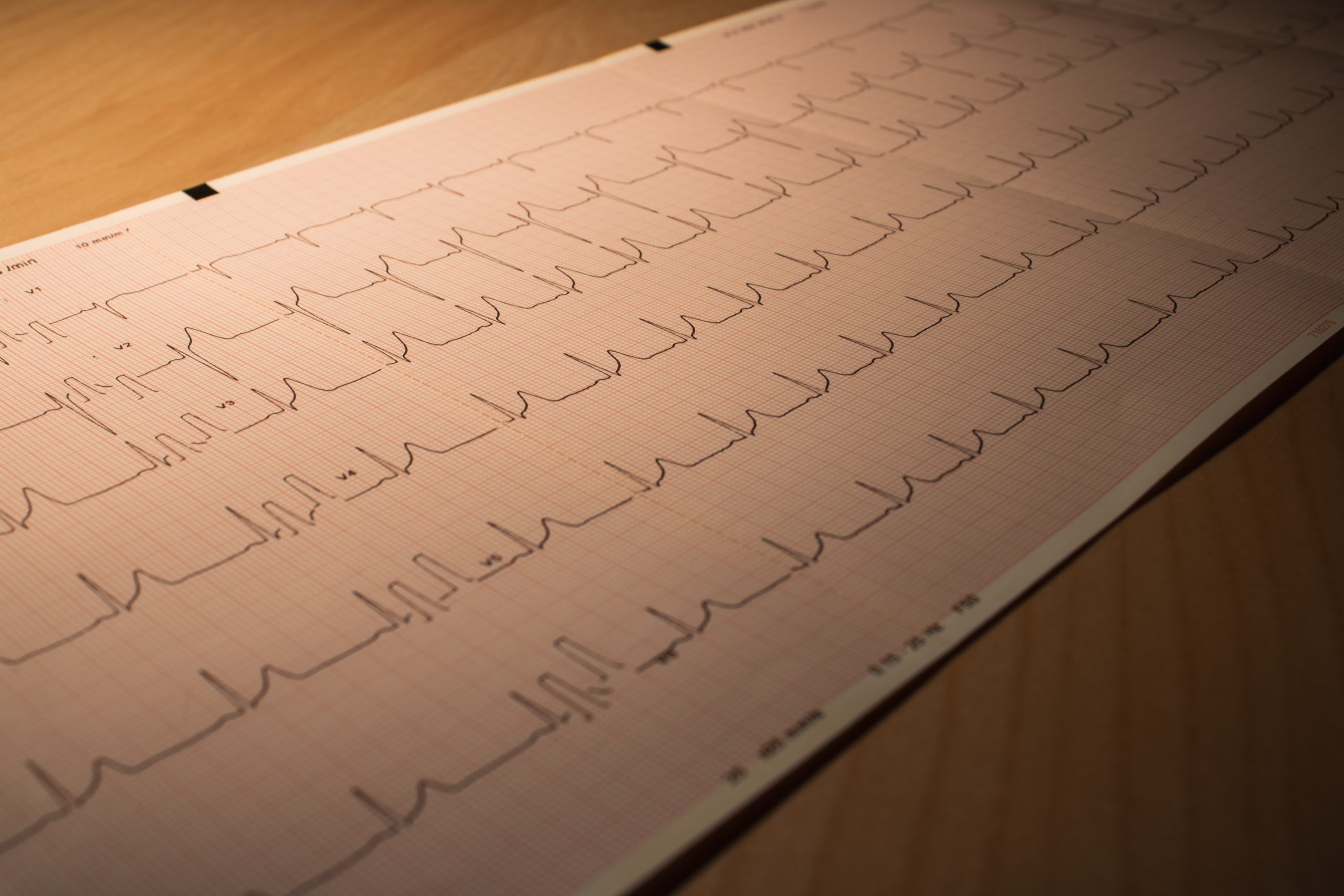
Regular cardiac screenings play a crucial role in maintaining heart health and preventing cardiovascular diseases. These screenings allow healthcare professionals to assess the condition of the heart, identify potential risk factors, and detect any underlying issues at an early stage. In this article, we will highlight the importance of regular cardiac screenings, provide an overview of the screening process, and discuss the key components involved. By understanding what to expect during these screenings, individuals can take proactive steps toward maintaining optimal heart health and reducing the risk of cardiovascular diseases.
The Significance of Regular Cardiac Screenings:
Regular cardiac screenings serve as vital preventive measures to assess heart health and detect potential issues before they escalate into serious conditions. These screenings offer several benefits:
Early Detection of Cardiovascular Diseases:
Regular screenings can help identify the presence of cardiovascular diseases, such as coronary artery disease, heart failure, and arrhythmias, at an early stage. Early detection allows for timely intervention and treatment, minimizing the risk of complications and improving overall outcomes.
Evaluation of Risk Factors:
Cardiac screenings provide an opportunity to evaluate individual risk factors for heart diseases, such as high blood pressure, high cholesterol levels, diabetes, and obesity. Identifying and managing these risk factors through lifestyle modifications and medical interventions can significantly reduce the likelihood of developing cardiovascular diseases.
Assessment of Heart Function:
Through patient centered cardiac screenings, we assess the overall function of the heart, including its pumping ability, electrical activity, valves and blood flow. This evaluation helps identify any abnormalities or irregularities that may require further investigation or treatment.
Components of Regular Cardiac Screenings:
A comprehensive cardiac screening typically involves the following components:
- Medical History Assessment:
Healthcare providers will gather information about your personal and family medical history, including any previous heart conditions, risk factors, and symptoms experienced. This helps establish a baseline and guide the subsequent evaluation.
- Physical Examination:
A thorough physical examination is conducted to assess vital signs, including blood pressure, heart rate, and body mass index (BMI). This evaluation provides important insights into overall health and potential cardiovascular risks.
- Blood Tests:
Blood samples may be taken to assess various parameters, such as cholesterol levels, blood sugar levels, markers of inflammation and novel biomarkers. These tests help evaluate and personalize cardiovascular risk factors and identify any underlying conditions that may affect your heart health.
- Electrocardiogram (ECG):
An ECG records the electrical activity of the heart and can detect abnormalities in heart rhythm or conduction. It is a painless and non-invasive procedure that takes less than 1 minute and provides valuable information about the heart’s electrical function.
- Imaging Tests:
Imaging tests, such as echocardiography or stress tests, may be recommended to evaluate the structure and function of the heart, assess overall blood flow to the hear, and detect any abnormalities or signs of potential cardiovascular disease.
- Additional Screening Tools:
Depending on individual risk factors and symptoms, additional screening tools, such as specialized cardiac CT scans or cardiac MRI, may be utilized to provide more detailed information about heart health.
Sources:
- American Heart Association. (2022). Tests for heart disease. Retrieved from https://www.heart.org/en/health-topics/consumer-healthcare/what-is-cardiovascular-disease/tests-for-heart-disease
- Mayo Clinic. (2022). Heart disease diagnosis and treatment. Retrieved from https://www.mayoclinic.org/diseases-conditions/heart-disease/diagnosis-treatment/drc-20353124
- National Heart, Lung, and Blood Institute. (2021). Heart screening tests.











Leave A Comment