


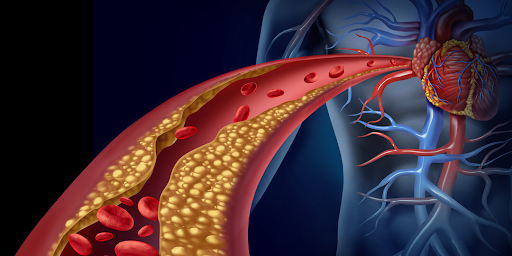
Cholesterol is often discussed in the context of heart health, but there’s a lot of confusion and misinformation surrounding it. Understanding the role of cholesterol in the body and its impact on heart health is crucial for making informed decisions about diet and lifestyle. In this blog post, we will explore the myths and facts about cholesterol to provide a clearer picture of its role in cardiovascular health.
What is Cholesterol?
Cholesterol is a waxy, fat-like substance found in every cell of the body. It is essential for producing hormones, vitamin D, and substances that help digest foods. The body needs cholesterol to function properly, and it makes all the cholesterol it needs. Cholesterol is also found in some foods.
There are two types of cholesterol to be aware of:
Low-Density Lipoprotein (LDL): Often referred to as “bad” cholesterol, LDL can build up in the walls of arteries, forming plaque and leading to atherosclerosis, which increases the risk of heart disease and stroke.
High-Density Lipoprotein (HDL): Known as “good” cholesterol, HDL helps remove LDL cholesterol from the arteries and transport it to the liver for excretion, thus protecting against heart disease.
Common Myths and Facts
Myth 1: All Cholesterol is Bad for You
Fact: Cholesterol itself is not inherently bad. The body needs cholesterol to build cells and produce certain hormones. The issue lies with the balance between LDL and HDL cholesterol levels. High levels of LDL cholesterol can lead to plaque buildup in arteries, increasing the risk of heart disease.
Myth 2: Eating Cholesterol-Rich Foods Increases Blood Cholesterol Levels
Fact: For most people, dietary cholesterol has a minimal effect on blood cholesterol levels. The body compensates by producing less cholesterol when dietary intake increases. However, saturated and trans fats in foods can raise blood cholesterol levels more significantly than dietary cholesterol.
Myth 3: Only Overweight People Have High Cholesterol
Fact: High cholesterol can affect anyone, regardless of weight. Genetics, diet, and lifestyle factors all play a role in cholesterol levels. Even individuals who are not overweight should monitor their cholesterol levels and maintain a healthy lifestyle.
Myth 4: You Don’t Need to Worry About Cholesterol Until You’re Older
Fact: High cholesterol can begin to affect individuals at a young age. Plaque buildup in arteries can start in childhood and adolescence, leading to heart disease later in life. It’s important to establish heart-healthy habits early on.
How to Manage Cholesterol Levels
Healthy Diet: Focus on a diet rich in fruits, vegetables, whole grains, lean proteins, and healthy fats. Limit intake of saturated fats (found in red meat and full-fat dairy products) and avoid trans fats (found in many processed foods).
Regular Exercise: Engage in at least 150 minutes of moderate-intensity aerobic exercise per week. Physical activity helps raise HDL cholesterol and lower LDL cholesterol and triglycerides.
Maintain a Healthy Weight: Losing excess weight can help lower LDL cholesterol and increase HDL cholesterol. Even a modest weight loss of 5-10% of your body weight can have significant health benefits.
Quit Smoking: Smoking lowers HDL cholesterol and increases LDL cholesterol, among other harmful effects on heart health. Quitting smoking can improve your cholesterol profile and overall cardiovascular health.
Limit Alcohol Intake: Drinking alcohol in moderation can have some benefits for HDL cholesterol, but excessive drinking can lead to serious health problems, including high blood pressure and heart disease.
Medications: In some cases, lifestyle changes alone may not be enough to manage cholesterol levels. Your healthcare provider may prescribe medications such as statins to help control cholesterol.
Conclusion
Understanding the role of cholesterol in heart health is vital for making informed decisions about diet and lifestyle. Dispelling common myths and focusing on the facts can help you manage your cholesterol levels effectively and reduce the risk of heart disease. By adopting heart-healthy habits, monitoring your cholesterol levels, and working with your healthcare provider, you can take control of your cardiovascular health and lead a longer, healthier life.











excellent minus “whole grains”….grains = leaky gut = leaky blood vessels = endotoxemia but better than most I’ve seen