


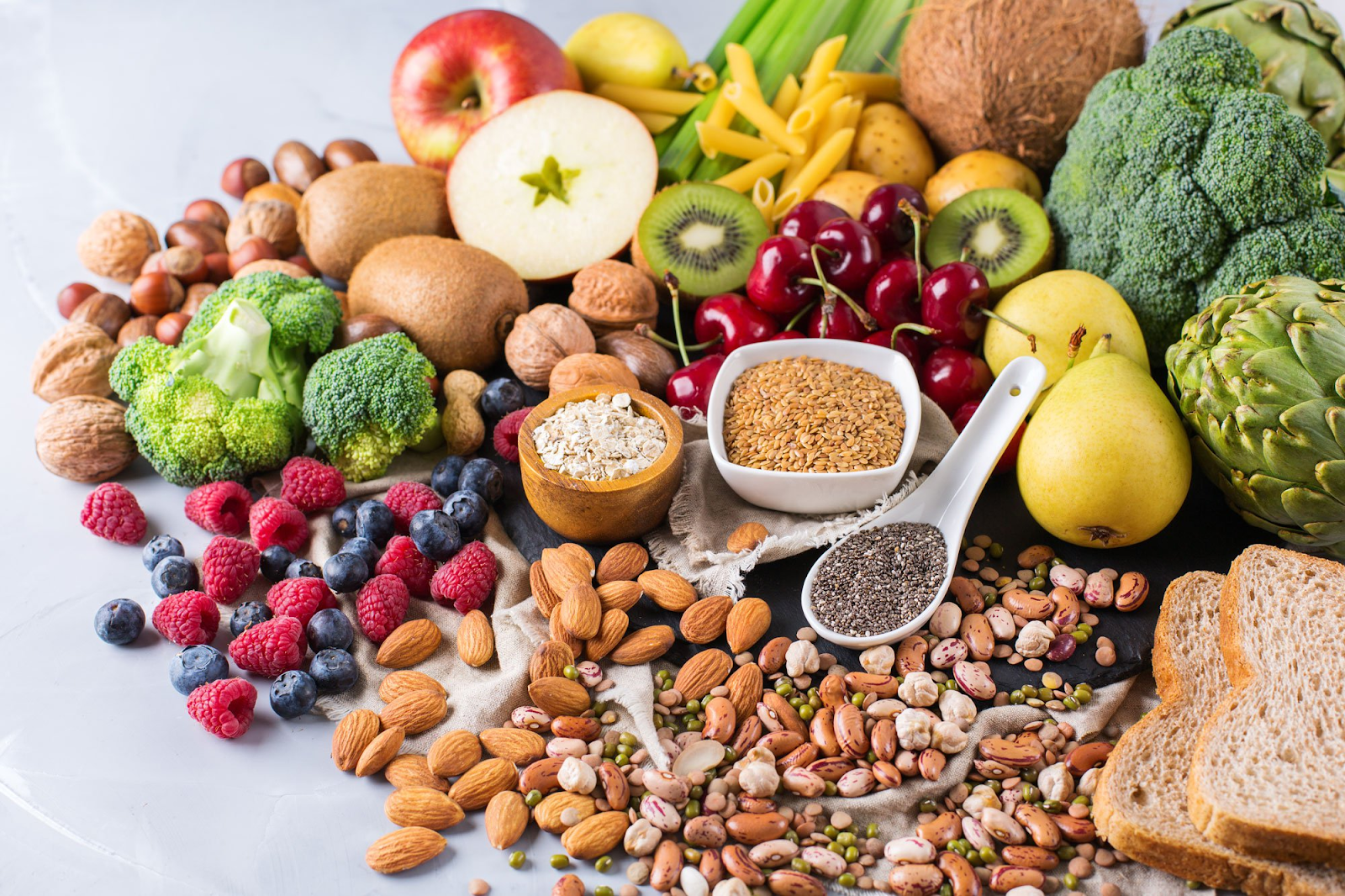
Maintaining a heart-healthy diet starts where every meal begins—at the grocery store. What you choose to put in your cart can significantly influence your cardiovascular health. A diet rich in whole, nutrient-dense foods can help lower blood pressure, reduce cholesterol levels, and prevent heart disease.
To help guide your next grocery run, here’s the ultimate heart-healthy foods shopping list—along with explanations for why these foods are so beneficial.
Fruits & Vegetables
Why: High in fiber, antioxidants, and potassium, fruits and vegetables help lower blood pressure and reduce inflammation—both key factors in heart health.
- Leafy greens (spinach, kale, arugula): Rich in vitamin K and nitrates that help lower blood pressure.
- Berries (blueberries, strawberries, raspberries): Packed with polyphenols, which support vascular health.
- Cruciferous veggies (broccoli, Brussels sprouts): May reduce arterial plaque buildup.
- Citrus fruits (oranges, grapefruits*): High in vitamin C and soluble fiber.Note: Grapefruit can interact with some heart medications—check with your doctor.
Nuts, Seeds & Legumes
Why: These plant-based powerhouses are full of heart-friendly fats, protein, and fiber.
- Almonds and walnuts: Contain omega-3 fatty acids and vitamin E.
- Chia seeds and flaxseeds: Rich in plant-based omega-3s and soluble fiber.
- Lentils and black beans: High in fiber and potassium, which help manage blood pressure and cholesterol.
Lean Proteins & Seafood
Why: Protein is essential, but choosing the right hear-healthy foods sources can make a big difference for your heart.
- Fatty fish (salmon, sardines, mackerel): Loaded with omega-3 fatty acids, which reduce triglycerides and lower the risk of arrhythmias.
- Skinless poultry: A leaner option compared to red meat.
- Tofu and tempeh: Excellent plant-based alternatives rich in isoflavones and fiber.
Whole Grains
Why: Whole grains help regulate blood sugar and cholesterol levels, reducing the risk of heart disease.
- Oats: High in beta-glucan, which helps lower LDL cholesterol.
- Quinoa, brown rice, farro: Nutritious grains with fiber and protein.
- Whole wheat bread and pasta: Better than refined carbs for maintaining stable blood sugar.
Healthy Oils & Fats
Why: Replacing saturated fats with unsaturated ones helps reduce bad cholesterol and inflammation.
- Extra virgin olive oil: A staple of the Mediterranean diet, known to improve heart health.
- Avocados: Contain monounsaturated fats that support healthy cholesterol levels.
Seasonings & Extras
Why: Flavor doesn’t have to come at the expense of your heart. Choose smart seasonings.
- Garlic: May reduce blood pressure and arterial stiffness.
- Turmeric: Contains curcumin, a compound with anti-inflammatory properties.
- Herbs and spices (basil, oregano, cinnamon): Add flavor without added sodium.
Final Tips for a Heart-Healthy Foods Shopping Cart
- Read labels: Avoid foods with trans fats, high sodium, or added sugars.
- Shop the perimeter: Fresh produce, meat, and dairy are usually around the edges of the store.
- Plan ahead: Creating a meal plan before you shop helps you stick to healthy choices.
Taking care of your heart doesn’t start at the doctor’s office—it starts in your kitchen. Stocking up on these nutrient-rich, heart-friendly foods is one of the most powerful steps you can take toward a healthier life.
Sources
- American Heart Association – Heart-Healthy Foods: Shopping List
- Harvard T.H. Chan School of Public Health – The Nutrition Source: Healthy Eating Plate
- Mayo Clinic – Heart-Healthy Diet: 8 Steps to Prevent Heart Disease
- Cleveland Clinic – Heart-Healthy Foods to Eat




Leave A Comment