


Heart disease has long been seen as a “man’s problem.” The truth? Cardiovascular disease is the leading cause of death in women worldwide — responsible for more deaths than all cancers combined. Yet many women still don’t realize that their symptoms can look very different from the “classic” heart attack signs often shown in media or taught in first aid courses.
As cardiologists, we’ve seen how this misunderstanding leads to delays in diagnosis, missed warning signs, and in some cases, worse outcomes for women.
The “Classic” Heart Attack vs. The Female Reality
The typical image of a heart attack — sudden, crushing chest pain radiating down the left arm — is real, but it’s more common in men. Women often experience subtler, less dramatic symptoms. These can include:
- Shortness of breath (even without chest pain)
- Extreme fatigue that seems out of proportion to activity
- Nausea or vomiting
- Jaw, neck, shoulder, or upper back pain
- Dizziness or lightheadedness
- Pressure or discomfort in the chest rather than sharp pain
Some women describe their symptoms as “flu-like” or “indigestion,” and may not connect them to the heart at all.
Why the Difference?
Researchers believe hormonal influences, differences in plaque build-up, and variations in microvascular function (small blood vessels in the heart) may explain why women’s symptoms often differ. In addition, women are more likely to experience microvascular angina — where small arteries in the heart spasm or narrow — which doesn’t always show up on standard angiograms.
The Risk Factors That Hit Women Harder
While many risk factors are shared between men and women, some carry a higher impact for women:
- Diabetes – Increases heart disease risk more in women than men.
- Smoking – Women who smoke have a greater relative risk of heart attack than male smokers.
- Autoimmune conditions like lupus or rheumatoid arthritis, which are more common in women.
- Pregnancy-related complications such as preeclampsia or gestational diabetes, which raise lifetime heart risk.
- Menopause – Lower estrogen levels can accelerate arterial plaque build-up.
What Women Can Do Right Now
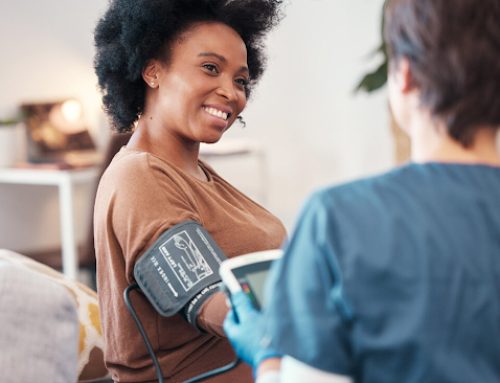
Know your numbers – Get your blood pressure, cholesterol, and blood sugar checked regularly.
Don’t ignore unusual symptoms – Especially if they appear with exertion or stress.
Communicate clearly with healthcare providers – Mention your risk factors and insist on further investigation if something feels wrong.
Adopt heart-healthy habits – Balanced diet, regular movement, quality sleep, and stress management.
The Takeaway
Women’s heart symptoms are not always textbook. They can be quieter, more subtle, and easier to dismiss — by both the patient and even by medical professionals. Awareness is your first defense.
If you are a woman — or you love one — learn the signs, take risk factors seriously, and don’t hesitate to seek medical attention. Your heart may not shout for help the way you expect, but it will whisper — and it’s worth listening.







Leave A Comment