


May is American Stroke Month and National High Blood Pressure Education Month, and the timing is fitting. Many people think of stroke as a brain problem and heart disease as a heart problem, but the two are closely linked. Some of the most important ways to lower your stroke risk start with taking care of your heart.
High Blood Pressure: The Leading Risk Factor
High blood pressure is the single biggest controllable risk factor for stroke. Over time, elevated pressure damages and stiffens the walls of the arteries, including those that supply the brain. That damage makes arteries more likely to become blocked or, in some cases, to rupture.
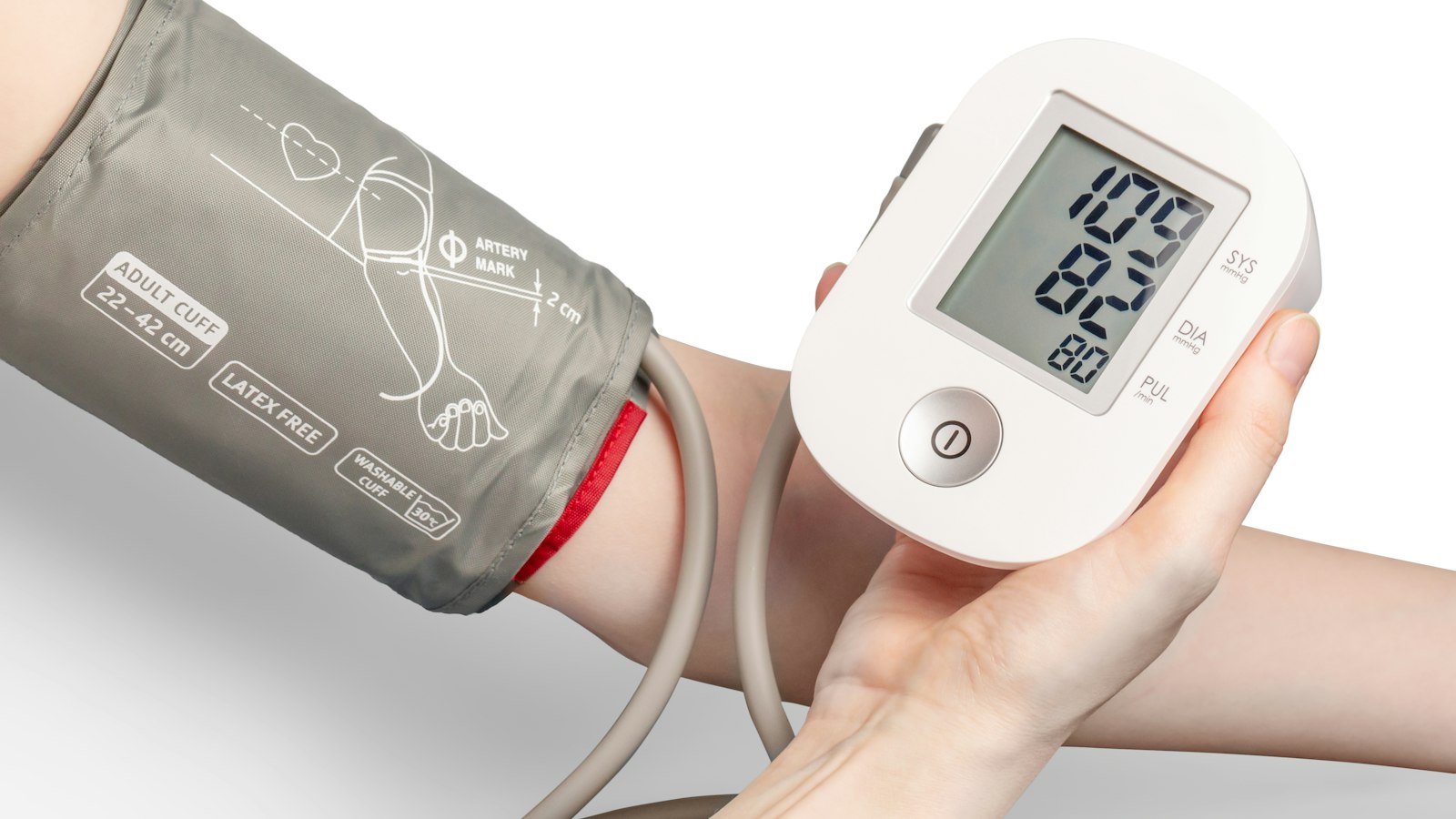
Because high blood pressure usually causes no symptoms, many people don’t know they have it. Regular checks, at home and at the doctor’s office, are the only reliable way to know your numbers.
Atrial Fibrillation and Stroke
Atrial fibrillation (AFib) is an irregular heart rhythm in which the upper chambers of the heart quiver instead of beating effectively. When that happens, blood can pool and form clots. If a clot travels to the brain, it can cause a stroke. People with AFib have about five times the risk of stroke compared with people without it, and AFib-related strokes tend to be more severe.
Some people with AFib feel palpitations, fatigue or shortness of breath. Others feel nothing at all. That’s one reason AFib is sometimes first discovered during a routine visit, on an EKG, or through a smartwatch alert.
Other Heart-Related Risk Factors
- High cholesterol and plaque buildup in the arteries
- Diabetes
- Smoking
- Heart failure or a prior heart attack
- Certain heart valve problems
Recognize the Signs of Stroke: BE FAST
Every minute counts during a stroke. Learn these warning signs and call 911 right away if you notice them:
- B, Balance: sudden loss of balance or coordination
- E, Eyes: sudden trouble seeing in one or both eyes
- F, Face: one side of the face droops
- A, Arms: one arm drifts down or feels weak
- S, Speech: slurred or strange speech
- T, Time: call 911 immediately and note when symptoms started
Frequently Asked Questions
Does AFib always cause symptoms?
No. Many people with AFib feel nothing at all, which is why it is sometimes first found on a routine EKG or through a smartwatch alert. It still raises stroke risk without symptoms.
What blood pressure raises stroke risk?
Risk rises as blood pressure climbs above normal (under 120/80). Readings at or above 130/80 are considered high blood pressure. Your doctor will set a target that fits your health.
Related Reading
- Managing High Blood Pressure Later in Life
- How Wearable Tech Is Changing the Way We Track Heart Health
How to Lower Your Stroke Risk Now
Know your blood pressure and keep it in the range your doctor recommends. If you have AFib, talk with your cardiologist about your stroke risk and whether a blood thinner is right for you. Take medications as prescribed, stay active, and don’t ignore new palpitations or an irregular pulse.
If it’s been a while since your last heart checkup, this month is a good time to schedule one. Call (973) 889-9001 or request an appointment.
Cardiology Associates of Morristown is located at 60 Columbia Road, Building A, in Morristown, NJ, and our physicians also care for patients at Morristown Medical Center.
This article is for general education and is not a substitute for personal medical advice. If you think you or someone near you is having a stroke, call 911.






Leave A Comment