


After a heart attack, heart surgery or a new diagnosis of heart failure, many people feel unsure about what they can safely do. Cardiac rehabilitation is designed to answer that question. It’s one of the most effective, and most underused, tools for recovering and lowering the risk of future heart problems.
What Is Cardiac Rehabilitation?
Cardiac rehabilitation is a medically supervised program that combines exercise training, education on heart-healthy living and support for managing stress. Programs are usually run by a team that can include nurses, exercise physiologists and dietitians, working in coordination with your cardiologist. A typical program involves sessions a few times a week over about three months.
Who Is It For?
Cardiac rehab is commonly recommended for people who have had:
- A heart attack
- Coronary artery bypass surgery
- A stent or angioplasty
- Heart valve repair or replacement, including TAVR
- Stable chronic heart failure
- Stable angina (chest pain with exertion)
- A heart transplant
Medicare and many private insurance plans cover cardiac rehab for qualifying conditions when your doctor refers you.
What Happens in a Program
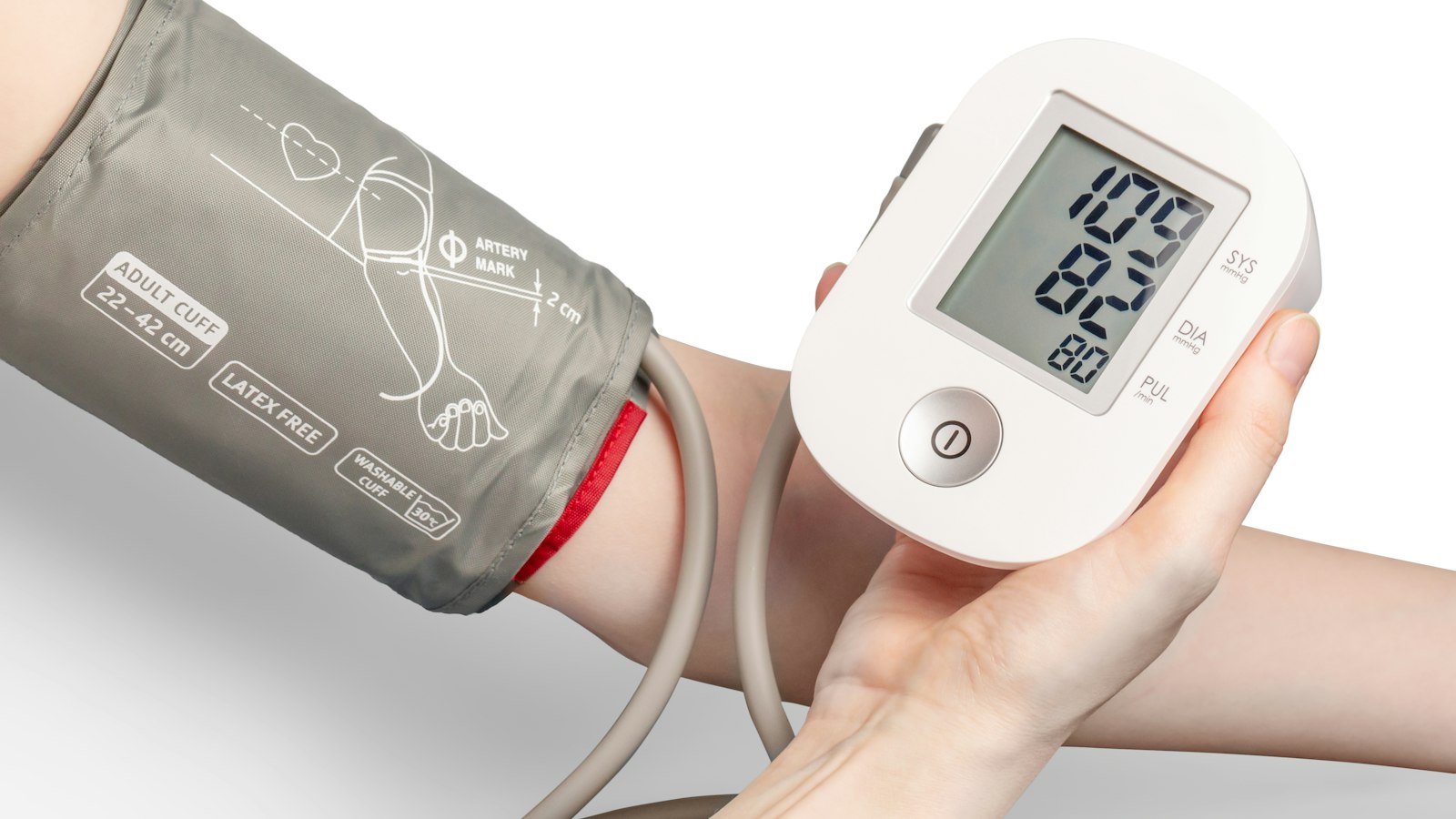
- Monitored exercise: you’ll exercise while staff track your heart rate, rhythm and blood pressure, gradually building strength and endurance.
- Education: you’ll learn about your condition, medications, nutrition and how to recognize warning signs.
- Risk factor management: support for quitting smoking and managing blood pressure, cholesterol, diabetes and weight.
- Emotional support: it’s common to feel anxious or down after a heart event. Rehab staff can help, and many people find comfort in meeting others going through the same thing.
Why It’s Worth It
Research has consistently shown that people who complete cardiac rehab are less likely to be readmitted to the hospital and have a lower risk of dying from heart disease. Participants often report feeling stronger, more confident and better able to return to work, hobbies and time with family.
Despite these benefits, many eligible patients never enroll or stop early. Common barriers include transportation, scheduling and simply not realizing how much it can help. If those are concerns for you, let your care team know. Some programs offer flexible hours, and home-based or hybrid options are increasingly available.
Frequently Asked Questions
A typical program includes about 36 sessions over 12 weeks, though it can vary based on your condition and your doctor’s recommendation.
Medicare and many private plans cover cardiac rehab for qualifying conditions with a referral. Check your plan for details on copays.
Related Reading
Ask About a Referral
If you’ve had a heart event or procedure and haven’t been offered cardiac rehab, ask about it. Your cardiologist can tell you whether you qualify and help connect you with a program near you. To discuss your recovery plan with one of our cardiologists, call (973) 889-9001.
Cardiology Associates of Morristown is located at 60 Columbia Road, Building A, in Morristown, NJ, and our physicians also care for patients at Morristown Medical Center.
This article is for general education and is not a substitute for personal medical advice.








[…] Home » Living Well With Heart Failure: Daily Habits and Warning Signs Previous […]
[…] Cardiac Rehabilitation: What It Is and Who Can Benefit […]