



Heart disease remains one of the leading causes of death and disability in New Jersey, but the resilience of individuals who overcome heart disease is a testament to hope and recovery. In every community, heart health heroes rise above the challenges of their condition, sharing their stories of recovery and offering hope to those facing similar struggles. This essay celebrates the incredible strength and determination of individuals in New Jersey who have fought heart disease and emerged victorious. By sharing these personal stories, we hope to inspire others to take control of their heart health and seek the care they need to lead healthier lives.
Heart Disease in New Jersey: A Public Health Challenge:
Heart disease is a significant public health concern in New Jersey, with thousands of individuals being diagnosed each year. According to the Centers for Disease Control and Prevention (CDC), heart disease is the leading cause of death in the state, accounting for nearly 25% of all deaths. Key risk factors, such as high blood pressure, high cholesterol, obesity, smoking, and a sedentary lifestyle, contribute to the high prevalence of heart disease in New Jersey. Additionally, socioeconomic disparities in healthcare access and lifestyle choices contribute to the higher incidence of heart disease among certain populations.
Despite these challenges, progress is being made in raising awareness about heart disease prevention and encouraging individuals to adopt healthier lifestyles. The stories of New Jersey’s heart health heroes serve as powerful reminders of the possibility of recovery, even in the face of seemingly insurmountable odds.
Story 1: Overcoming a Heart Attack:
John, a 55-year-old New Jersey resident, experienced a sudden heart attack that changed his life forever. A lifelong smoker and sedentary individual, John had ignored warning signs for years, dismissing them as stress-related. When he collapsed one morning while walking to his car, he was rushed to the hospital, where doctors confirmed a heart attack. After undergoing surgery to open blocked arteries and several weeks of inpatient care, John began his journey toward recovery.
Cardiac rehabilitation played a significant role in John’s recovery. He worked with a team of professionals to regain his physical strength through exercise, learn about heart-healthy eating, and manage his stress. Today, John is an advocate for heart disease prevention, sharing his story with others in New Jersey to raise awareness about the importance of early detection, lifestyle changes, and seeking help immediately when symptoms arise.
Story 2: Battling Congestive Heart Failure:
Megan, a 63-year-old woman from Jersey City, struggled with congestive heart failure (CHF) for over five years. Diagnosed with high blood pressure and diabetes, Megan’s condition gradually worsened, leading to shortness of breath, extreme fatigue, and swelling in her legs. Despite medication and lifestyle changes, her heart function continued to decline, eventually requiring hospitalization for severe symptoms.
With the help of her cardiologist, Megan enrolled in a cardiac rehabilitation program at a local hospital in New Jersey. Through a combination of supervised exercise, dietary changes, and stress management techniques, she began to improve. Megan’s heart failure symptoms diminished, and she regained strength, eventually returning to her normal activities. Today, she emphasizes the importance of ongoing care and consistent lifestyle changes in managing heart failure, offering hope to others who may be struggling with similar conditions.
Story 3: Surviving a Heart Transplant:
David, a 50-year-old New Jersey resident, had suffered from severe coronary artery disease for many years. Despite undergoing bypass surgery and lifestyle changes, his heart continued to deteriorate, eventually leading to end-stage heart failure. Doctors recommended a heart transplant as his only viable option. After months of waiting and a long surgery, David received a heart transplant that saved his life.
The road to recovery was long, requiring careful management of his immune system to prevent rejection and regular check-ups to ensure his heart remained healthy. David’s rehabilitation program included both physical and emotional support, helping him regain strength and adjust to life with a new heart. David now shares his story to raise awareness about the importance of organ donation and the impact of heart transplants, offering hope to those awaiting a donor match.
The Role of Cardiac Rehabilitation in Recovery:
Cardiac rehabilitation is an essential component of heart disease recovery, particularly for individuals like John, Megan, and David, who require specialized care to regain strength and prevent future complications. Rehabilitation programs in New Jersey typically involve a combination of exercise training, lifestyle modification education, and psychological support. These programs are designed to help patients recover physically and mentally, empowering them to take charge of their heart health and make sustainable lifestyle changes.
Healthcare providers in New Jersey integrate cardiac rehabilitation into their treatment plans, collaborating with dietitians, exercise physiologists, and mental health professionals to ensure comprehensive care. Patients are closely monitored throughout their recovery, ensuring that their physical activity levels are safe and effective. By offering personalized rehabilitation programs, New Jersey cardiology practices help patients achieve long-term heart health and reduce the risk of future heart-related complications.
Heart Health Heroes: The Role of Healthcare Professionals:
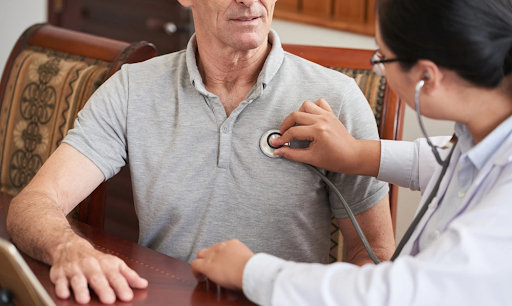
While the heart disease survivors in New Jersey deserve recognition for their resilience, it’s also essential to acknowledge the role that healthcare professionals play in their recovery. Cardiologists, nurses, rehabilitation specialists, and other healthcare providers work together to ensure that patients receive the best possible care, from diagnosis through rehabilitation.
In New Jersey, cardiologists take a proactive approach to heart disease prevention and recovery, offering personalized treatment plans tailored to each patient’s needs. Nurses and rehabilitation specialists provide the hands-on care required to help patients regain their strength and improve their quality of life. The collaboration between these healthcare providers ensures that patients receive the physical, emotional, and psychological support they need to recover fully.
The Importance of Community Support and Advocacy:
In addition to healthcare professionals, community organizations and support groups play a critical role in heart disease recovery. These groups provide individuals with a sense of community and shared experience, offering support and encouragement as they navigate their recovery journey. Public health campaigns in New Jersey, such as those promoting heart disease prevention and healthy living, are also essential in raising awareness about the importance of maintaining a healthy lifestyle.
Many heart disease survivors in New Jersey become advocates for heart health, sharing their stories and helping others understand the importance of early detection, rehabilitation, and lifestyle changes. These individuals serve as beacons of hope for others who may be struggling with similar challenges.
Looking to the Future: Advances in Heart Health and Recovery:
The future of heart disease recovery in New Jersey is promising, with ongoing advancements in both treatment and rehabilitation. Innovations in medical technology, such as remote patient monitoring and virtual cardiac rehabilitation programs, are increasing access to care and improving recovery outcomes. Additionally, research into personalized medicine and the development of new treatments for heart failure and coronary artery disease continue to improve the prognosis for heart disease patients.
In the future, New Jersey residents can expect even greater advancements in heart disease care, from cutting-edge surgical procedures to more effective rehabilitation programs that focus on whole-person care.
Conclusion:
Heart health heroes in New Jersey inspire us all with their stories of strength, resilience, and recovery. Their journeys demonstrate the importance of cardiac rehabilitation in overcoming heart disease and improving quality of life. With the support of healthcare professionals, community organizations, and ongoing advancements in treatment and rehabilitation, individuals in New Jersey can continue to overcome heart disease and thrive. It is essential to raise awareness about heart disease prevention, rehabilitation, and organ donation so that more lives can be saved and transformed, one story at a time.
Sources:
- American Heart Association. (2024). Cardiac Rehabilitation. https://www.heart.org/en/health-topics/cardiac-rehabilitation
- Mayo Clinic. (2024). Cardiac Rehabilitation. https://www.mayoclinic.org/tests-procedures/cardiac-rehabilitation/about/pac-20385088
- Hackensack Meridian Health. (2024). Heart Health & Rehabilitation. https://www.hackensackmeridianhealth.org/en/Services/Heart-Health/Heart-Rehabilitation
- New Jersey Department of Health. (2024). Heart Disease and Cardiac Rehabilitation. https://www.nj.gov/health/
- American College of Cardiology. (2024). Cardiac Rehabilitation and Secondary Prevention. https://www.acc.org/latest-in-cardiology/articles








Leave A Comment