


Hypertension, also known as high blood pressure, is a common yet often overlooked health condition affecting millions of Americans, including many New Jersey residents. Known as the “silent killer” because it often presents no symptoms, hypertension is a major risk factor for heart disease, stroke, and kidney failure. The prevalence of hypertension in New Jersey has risen steadily, making it a critical health concern for the state’s residents. Early detection, management, and lifestyle adjustments are key to reducing the risks associated with hypertension. This guide aims to educate New Jersey residents about hypertension, its causes, symptoms, and effective management strategies, empowering them to take proactive steps toward maintaining optimal heart health.
What is Hypertension?
Hypertension occurs when the force of the blood against the walls of the arteries is consistently too high. Blood pressure is measured in millimeters of mercury (mm Hg) and is expressed as two numbers: systolic (the top number) and diastolic (the bottom number). A normal blood pressure reading is usually around 120/80 mm Hg. Hypertension is generally diagnosed when blood pressure readings consistently exceed 130/80 mm Hg.
There are two types of hypertension: primary (or essential) and secondary. Primary hypertension is the most common type and develops gradually over many years. Secondary hypertension, on the other hand, is caused by another medical condition, such as kidney disease, sleep apnea, or hormonal disorders. Primary hypertension is more prevalent in New Jersey, often linked to lifestyle factors, while secondary hypertension is less common but still presents significant health risks.
Causes and Risk Factors
Hypertension is influenced by a variety of lifestyle, medical, and genetic factors. Unhealthy eating habits, such as a diet high in sodium and low in fruits and vegetables, contribute significantly to high blood pressure. Lack of physical activity, obesity, and excessive alcohol consumption are also major contributors to hypertension. In New Jersey, a sedentary lifestyle and poor dietary habits are particularly prevalent, making many residents susceptible to developing hypertension.
Certain medical conditions can also increase the risk of hypertension. These include diabetes, kidney disease, and sleep apnea. Additionally, genetics plays a critical role. If a person’s parents or close relatives have high blood pressure, they are more likely to develop it themselves. Age is another important factor; as people age, the risk of hypertension increases due to the gradual stiffening of the blood vessels, which elevates blood pressure. Chronic stress is also a known risk factor for hypertension, contributing to long-term increases in blood pressure levels.
Symptoms of Hypertension
One of the challenges with hypertension is that it often doesn’t show obvious symptoms, especially in the early stages. Most people with high blood pressure may feel perfectly fine, which is why the condition is often undiagnosed until it leads to more serious health problems. However, some individuals with very high blood pressure may experience symptoms such as headaches, dizziness, shortness of breath, or chest pain. These symptoms often indicate that the blood pressure is dangerously high and requires immediate medical attention.
Because hypertension can remain symptom-free for many years, regular blood pressure monitoring is essential. New Jersey residents are encouraged to get their blood pressure checked regularly at their doctor’s office or even at local pharmacies that offer self-service blood pressure monitoring machines.
Health Risks of Uncontrolled Hypertension
If left untreated, hypertension can lead to a variety of serious health complications. One of the most significant risks is cardiovascular disease, including coronary artery disease, heart attacks, and heart failure. High blood pressure forces the heart to work harder, leading to thickening of the heart muscle and narrowing of the arteries, which can eventually cause a heart attack or stroke.
Hypertension also damages the blood vessels in the kidneys, leading to kidney disease, which may eventually result in kidney failure if not managed. Chronic high blood pressure can also lead to vision loss, as it damages the blood vessels in the eyes, and can increase the risk of developing dementia over time due to reduced blood flow to the brain.
Diagnosing Hypertension in New Jersey
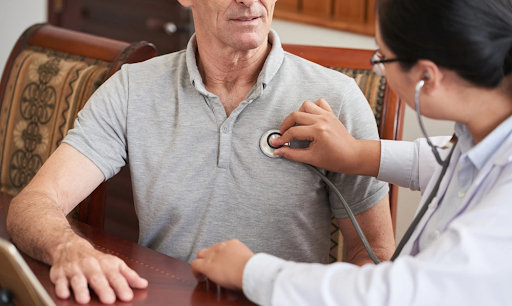
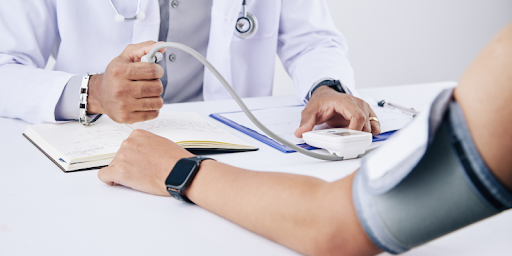
Hypertension is diagnosed through regular blood pressure measurements. To get an accurate reading, blood pressure should be measured multiple times, at different times of the day, and under normal, relaxed conditions. Healthcare providers in New Jersey routinely check blood pressure during annual checkups. Additionally, home blood pressure monitoring devices can help individuals track their own blood pressure and report findings to their doctors.
Doctors also may perform other tests to rule out underlying conditions that could be contributing to high blood pressure, such as kidney disease or hormonal imbalances. These tests may include blood tests, urine tests, and sometimes an electrocardiogram (ECG) to assess heart health.
Managing Hypertension: Lifestyle Changes and Medical Treatment
Managing hypertension involves a combination of lifestyle changes and, if necessary, medication. Lifestyle modifications play a significant role in managing high blood pressure. Residents of New Jersey should focus on the following strategies to lower their blood pressure:
- Dietary Changes: The DASH (Dietary Approaches to Stop Hypertension) diet is widely recommended for managing hypertension. It focuses on increasing the intake of fruits, vegetables, whole grains, lean proteins, and low-fat dairy while reducing sodium, saturated fats, and processed foods. Limiting salt intake to less than 1,500 milligrams per day can have a significant impact on blood pressure.
- Exercise: Regular physical activity, such as brisk walking, cycling, or swimming, can help lower blood pressure by improving heart health and increasing circulation. The American Heart Association recommends at least 150 minutes of moderate-intensity exercise per week.
- Stress Management: Reducing stress through relaxation techniques such as yoga, meditation, deep breathing, or mindfulness can help prevent spikes in blood pressure.
- Medications: In cases where lifestyle changes alone aren’t sufficient, medications are commonly prescribed to help control high blood pressure. These include diuretics, ACE inhibitors, calcium channel blockers, and beta-blockers. Medication is tailored to the individual, depending on the severity of the hypertension and the presence of other health conditions.
Hypertension in New Jersey: Programs and Resources
New Jersey offers various resources for residents to help manage hypertension. The state’s Department of Health has launched several initiatives to increase awareness of hypertension and encourage regular blood pressure checks. Local hospitals and cardiology practices provide free screenings and offer educational programs to help residents understand the importance of managing high blood pressure. Community health centers across the state offer affordable options for blood pressure monitoring, counseling, and lifestyle support.
Future Trends and Advances in Hypertension Management
The future of hypertension management in New Jersey looks promising, with advancements in medical technology, personalized treatment, and digital health solutions. New innovations, such as smart devices and apps, help individuals monitor their blood pressure more conveniently at home. Telemedicine is also playing an increasingly important role in managing hypertension, allowing patients to receive consultations and care remotely.
Additionally, ongoing research into genetics and personalized medicine may lead to more effective treatments tailored to the individual’s specific health needs. The role of artificial intelligence in analyzing patient data and providing early warnings for hypertension is also an exciting development that holds promise for improving outcomes.
Conclusion:
Hypertension is a manageable condition that requires proactive steps from both individuals and healthcare providers. New Jersey residents should be vigilant about monitoring their blood pressure and adopting lifestyle changes to maintain healthy blood pressure levels. With the right medical care and support, people with hypertension can lead full and healthy lives. By continuing to raise awareness about hypertension, promoting healthier lifestyles, and leveraging new medical technologies, New Jersey can combat the growing prevalence of hypertension and reduce its associated health risks.
Focus Keyword: Hypertension New Jersey
Sources:
- American Heart Association. (2024). Understanding High Blood Pressure. https://www.heart.org/en/health-topics/high-blood-pressure
- Centers for Disease Control and Prevention. (2024). High Blood Pressure. https://www.cdc.gov/ncbddd/stroke/facts.html
- New Jersey Department of Health. (2024). Hypertension Management Resources. https://www.nj.gov/health/
- Mayo Clinic. (2024). High Blood Pressure (Hypertension) Treatment. https://www.mayoclinic.org/diseases-conditions/high-blood-pressure/
- National Heart, Lung, and Blood Institute. (2024). High Blood Pressure (Hypertension). https://www.nhlbi.nih.gov/health-topics/high-blood-pressure







Leave A Comment